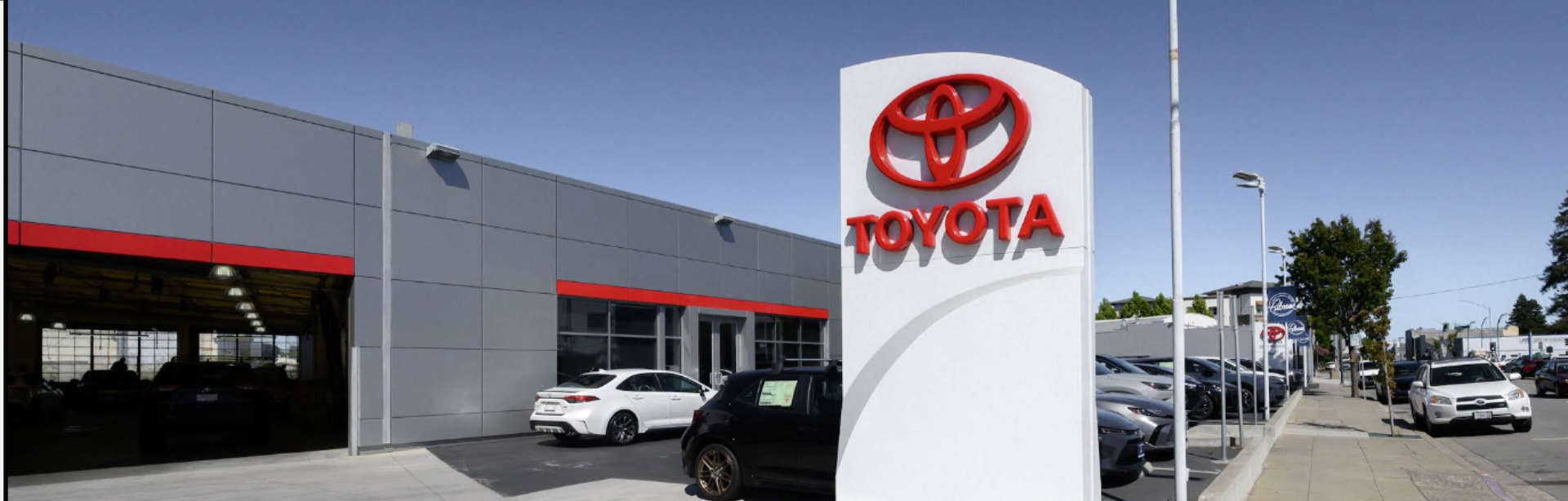
Welcome to your locally tailored maintenance guide designed specifically for drivers in Burlingame and surrounding areas like Redwood City, San Mateo, and South San Francisco. At Putnam Toyota, we understand that the unique driving conditions along California Drive and the busy routes into San Francisco can impact your vehicle's performance. With decades of experience serving our community, we've crafted this guide to align with the OEM maintenance schedule while considering the local climate and road conditions, ensuring your Toyota stays reliable and ready for every journey.
Why Should You Follow a Maintenance Schedule for Your Toyota?
Adhering to a maintenance schedule is crucial for protecting your investment in a Toyota and ensuring its reliability, especially for drivers in Burlingame. The local climate, with its warm summers and high pollen counts, places unique stress on your vehicle's fluids, belts, and filters. For instance, the heat can cause engine fluids to break down faster, while the seasonal pollen can clog air filters, impacting engine performance and air quality inside the cabin. Regular service addresses these issues directly, helping to keep your Toyota running smoothly.
By following the recommended service intervals, you enhance your vehicle's performance, fuel efficiency, and overall safety. A well-maintained Toyota can better handle the daily commute on US-101 or quick trips to the Hillsdale Shopping Center, ensuring that you and your passengers enjoy peace of mind on every journey. Regular maintenance isn't just about avoiding breakdowns; it's about maintaining your vehicle's capabilities as intended by its engineers. For further insights on vehicle care, check out resources like Edmunds.
How Does Toyota's Service Reminder System Work?
Many Toyota vehicles notify drivers about upcoming maintenance through reminders that can be either schedule-based or usage-aware. Depending on the model and year, a vehicle may display a straightforward time or mileage reminder, or it may show an estimate based on how the vehicle has been driven. Understanding these notifications can help you stay on top of your vehicle's needs.
Typically, when maintenance is due, you might see a message on your dashboard, a service indicator (like a wrench light), a maintenance reminder, or even an oil-life percentage. The specific type of notification you receive can vary significantly by model and trim, so it's always a good idea to refer to the owner's manual for detailed guidance. Additionally, local driving conditions-such as frequent short trips, stop-and-go traffic on California Drive, or towing in the hills near San Francisco-can impact how often service is needed, although the vehicle does not continuously measure these factors.
What Does the Primary Service Reminder Mean?
Understanding your vehicle's primary service reminder is essential for maintaining its health. This reminder acts as a general alert that scheduled maintenance is approaching or due. Depending on the vehicle, this reminder may be presented as a simple message or indicator, while others might provide a more detailed maintenance menu or visual cues like symbols or percentages. Since the specifics can differ by model and year, referring to your owner's manual or the in-vehicle maintenance screen will give you the exact information you need.
Primary reminder: This serves as a general signal for you to check your vehicle's scheduled maintenance guidance and plan for upcoming service. It typically indicates that maintenance is due, though it may not specify individual items.
Additional details (if shown): Some vehicles offer extra information-like a maintenance screen, percentage indicators, or descriptive messages-that can help clarify what services require attention. If your vehicle provides these additional details, use them alongside your owner's manual to determine the recommended maintenance actions.
What Do Additional Service Indicators Mean?
Many vehicles come equipped with additional service indicators that go beyond the primary reminder. These can include extra items, symbols, or menu entries that help clarify the type of maintenance needed. The specific indicators may vary by vehicle model, so it's important to refer to your owner's manual or vehicle display for precise meanings. Below are some common examples of service items that certain vehicles might display.
- Tire rotation: Regular tire rotation helps ensure even tread wear and optimal handling. In Burlingame, frequent stop-and-go traffic can accelerate tire wear, making this service essential.
- Engine and cabin air filters: Engine air filters maintain proper airflow for engine performance, while cabin air filters enhance interior air quality. With dust and pollen common in the area, monitoring these filters is crucial.
- Transmission fluid: Some vehicles recommend checking transmission fluid as part of routine maintenance. Short trips and stop-and-go driving, which are typical in local traffic, can increase the need for this service.
- Spark plugs and valve clearance check (when applicable): Spark plugs may need replacing at set intervals, and some engines also require valve clearance checks. These are often due as mileage increases.
- Engine coolant: The coolant system is vital for regulating engine temperature. Hot weather and extended highway drives can elevate the demand for coolant maintenance.
- Rear differential fluid (AWD/4WD, if equipped): For vehicles with AWD or 4WD, maintaining differential fluid is important. Driving in wet conditions or on uneven terrain around Burlingame can increase wear on these components.
- Brake fluid: Over time, brake fluid can absorb moisture, which may impact braking efficiency. Keep an eye on this service item to ensure safe stopping power.
What is a Typical Toyota Service Schedule for Burlingame Drivers?

Even with the convenience of in-vehicle service reminders or maintenance menus, understanding a typical service schedule can be a valuable tool for planning. This outline serves as a reference to help you anticipate maintenance needs, complementing your owner's manual and any available reminders. It reflects common driving conditions in Burlingame, such as the short trips through tree-lined streets, stop-and-go traffic on El Camino Real, and the occasional highway runs on US-101, all while accounting for the area's mild Mediterranean climate.
What Services Are Needed in the First 30,000 Miles?
During the initial 30,000 miles of ownership, many drivers will focus on essential maintenance tasks like routine oil changes, tire rotations, and filter checks. The specific timing for these services can vary widely depending on the model of your Toyota, your driving habits, and the maintenance recommendations provided in your owner's manual.
Oil service: Most vehicles typically require an oil change within a range of several thousand miles, often approaching 7,500 to 10,000 miles, particularly under lighter driving conditions. For those who frequently navigate Burlingame's busy streets, like California Drive and Broadway, or engage in stop-and-go traffic, you might find that you need to change your oil more often than those who primarily drive on highways.
Tires and filters: Tire rotations are generally recommended at regular intervals, commonly coinciding with oil changes or other maintenance milestones within the first 30,000 miles. It's also a good idea to keep an eye on your engine and cabin air filters. Given the local environment-where pollen, dust, and construction debris can be prevalent-replacements may be necessary around the 15,000 to 30,000 mile mark depending on conditions. Regular filter maintenance helps maintain air quality inside your vehicle, making for a more comfortable ride through the streets of Burlingame and beyond.
What Maintenance Should Be Done Between 30,000 and 60,000 Miles?
As your Toyota approaches 30,000 to 60,000 miles, the focus of maintenance often shifts from basic upkeep to more involved services that protect critical systems. Depending on your specific model, powertrain, and driving habits, it's essential to refer to your owner's manual and in-vehicle maintenance reminders for accurate guidance.
Transmission fluid: Transmission fluid service is often recommended within this mileage range, particularly for vehicles frequently subjected to stop-and-go traffic, short trips, or hilly terrain like the routes around Burlingame. Maintaining the fluid helps ensure smooth shifting and prolongs the life of this complex system, which is particularly relevant for those driving along California Drive or near busy intersections.
Brake fluid, brakes, and tires: Replacement of brake fluid is commonly advised on a time-based schedule, often every few years, as it can degrade even with low mileage. During this interval, regular inspections of brakes and tires become increasingly vital for safe handling and stopping, especially on mixed-speed roads like El Camino Real or during wet weather conditions. For holistic insights into vehicle reliability and owner satisfaction across various models, you can check Consumer Reports.
What Major Services are Required Approaching 100,000 Miles?
As your Toyota approaches the 100,000-mile mark, several key maintenance services often become a focus for responsible ownership. It's important to remember that the specific timing of these services can vary based on your model and engine type, so always consult your owner's manual for guidance tailored to your vehicle.
Spark plug replacement: Typically, spark plugs may need to be replaced around this mileage, although the exact timing can differ depending on your engine design. Fresh spark plugs are crucial for maintaining engine efficiency, ensuring smooth operation, and enhancing reliability. This can be especially beneficial as your vehicle ages and accumulates wear from daily driving, particularly for those navigating the busy streets of Burlingame.
Timing belt replacement and coolant service: For vehicles equipped with a timing belt, particularly older models, replacing it at the recommended interval is vital to prevent potential engine damage. Many newer Toyota engines use timing chains that generally don't require routine replacement. Additionally, a coolant flush or replacement is often suggested to protect the cooling system from corrosion and overheating. Keeping up with these services not only supports your vehicle's longevity but also helps maintain its resale value-check out Kelley Blue Book for insights on how proper maintenance can enhance long-term vehicle value.
Why is Local Expertise Important for Servicing Your Toyota?
Having a service team that understands the unique driving conditions in Burlingame is crucial for maintaining your Toyota. The local climate, with its warm summers and occasional humidity, can put extra stress on your vehicle's air conditioning system and engine performance. Additionally, the pollen prevalent in spring can clog air filters, while the clay-rich soil in the area can impact tire performance and suspension wear. Our technicians at Putnam Toyota are well-versed in these regional factors, allowing them to look for specific wear patterns related to local roads and traffic patterns, such as the stop-and-go along California Drive or the busy routes through downtown Burlingame.
By leveraging their local expertise, our technicians ensure your Toyota is ready for everything from daily commutes on El Camino Real to weekend adventures in nearby parks. For more information on safety and maintenance, you can visit the National Highway Traffic Safety Administration (NHTSA) to explore essential resources for vehicle upkeep and safety standards.
Frequently Asked Questions (FAQs)
What are the best practices for scheduling service appointments at Putnam Toyota?
Putnam Toyota recommends scheduling your service appointments in advance, especially during peak times. You can conveniently book online or call our service department to find a time that works best for your schedule.
What should I do if I feel pressured into additional services at Putnam Toyota?
If you ever feel uncomfortable or pressured during your visit, you can always ask a team member for clarification. Putnam Toyota is committed to providing transparent information, and we encourage open communication regarding your service needs.
How can I ensure I am not being upsold during my service visit?
At Putnam Toyota, our team will provide a detailed explanation of recommended services based on your vehicle's condition. You are encouraged to ask questions about any suggested services, ensuring you understand their necessity and value.
What are the common complaints about pricing at Putnam Toyota?
Instead of focusing on complaints, many customers appreciate Putnam Toyota's transparent pricing structure with no hidden fees. Our goal is to ensure every customer feels confident in their service costs and understands the value they receive.
How often should I change my oil in Burlingame's climate?
Your vehicle's service reminder or owner's manual is the best guide, as oil change intervals can vary based on driving habits and conditions. In Burlingame, where the climate is mild, many drivers find oil changes are recommended every 5,000 to 10,000 miles, depending on the vehicle and type of oil.
Does commuting on local highways affect my service intervals?
Yes, it can. Frequent stop-and-go traffic on US-101 or El Camino Real can be tougher on your engine, transmission, and brakes than steady highway driving. If your vehicle has a service reminder system, it may recommend services sooner to keep it running smoothly.